
The second Mughal Emperor Humayun was known to be immensely fond of Sherbet or Sharbat and loved fruit-derived/flavoured coolers. We do not know if Humayun had also relished the Falsa sharbat in the summers of 16th century or not, but it is definitely a beverage fit for royalty as well as the common folk as it combines a surprising complexity of taste and flavour with simplicity of preparation.
Falsa/Phalsa (Grewia asiatica) is a berry that grows on shrubs or small trees across parts of India and Pakistan and a few other countries in Southeast Asia. The berry turns a shade of pink, deep red, maroon and purplish red when ripe (photos below). The fruiting season is short – lasts for about 3-4 weeks in an area and the season starts in April in Southern parts of India and moves northwards. In Northern India, fresh Falsa berries can be found in May-early June, and you can see hawkers selling the fruit in leaf-plates with rock salt or Kala Namak near school gates and at busy intersections. The timing of fruiting is perfect as you cannot find a better Sherbet to quench your thirst during the dry scorching summer of the Northern plains of India.

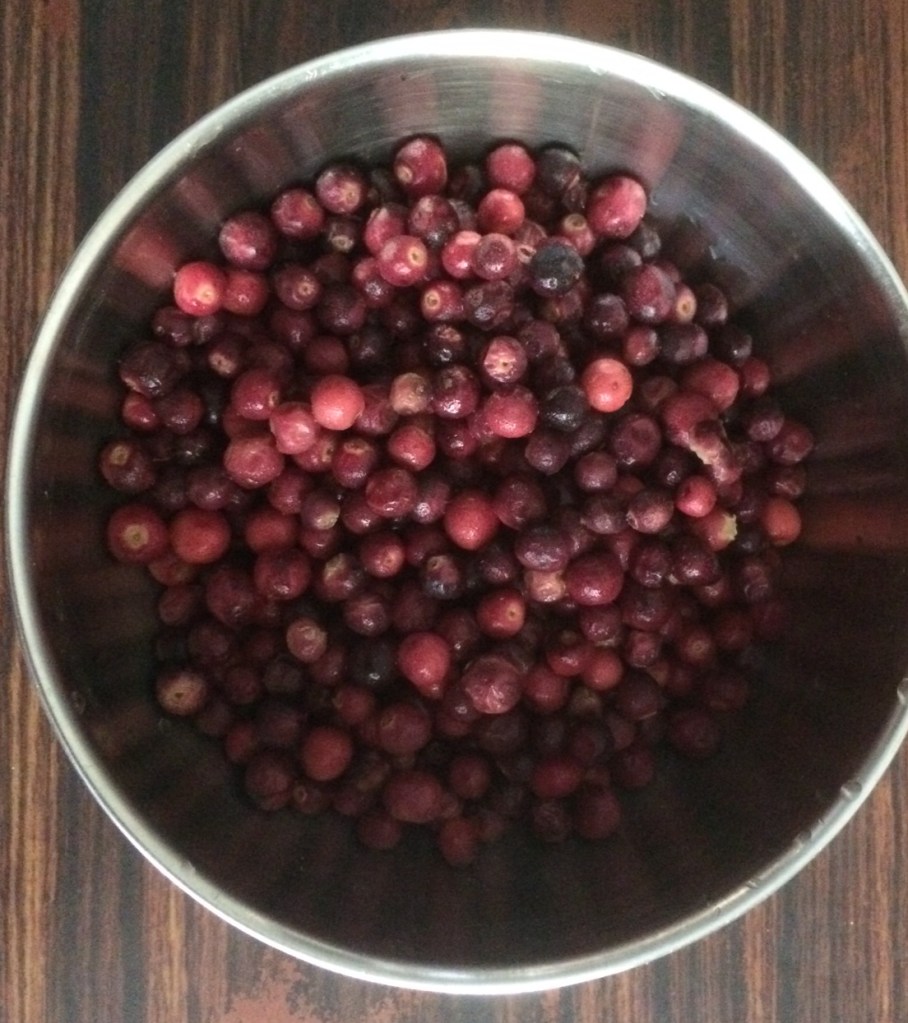
Process: The process is very simple. Get ripe berries from the bazaar. They will be a mix of ripe and slightly less so. No worries as it keeps the taste and flavour varying slightly. Wash the berries properly with water multiple times including salt water and keep in a bowl. Mix the berries well with a little sugar/gur (to taste, say one-and-half tbsp or less in half a kilo of fruits) using your hand (gloves advisable). Put the fruit-sugar mixture in a strainer. Mix it well… pulping it, and as you do so, the pulp and the hard seeds start separating. Keep mixing and squishing the fruit pulp to get maximum juice out while pouring in cool water. Refrigerate for an hour, and there it is ambrosia, a drink fit for the Gods!


The shelf life of the berries is short, about two days unless refrigerated. The cultivation of Falsa plants is also not well organised. These two facts probably explain that the berries are not produced and used extensively despite their immense health benefits (contain flavonoids; proteins – surprisingly; and amino acids) and exquisite taste.
To describe the taste: each sip delightfully surprises your tastebuds – it is sweet, tart and fruity at the same time. And, the taste lingers a while in the mouth. You can also try it by adding a little pinch of rock salt or by floating a couple of mint leaves in it. As I write this, I realize the Falsa sharbat could very well make an excellent base for a cocktail – be it with Vodka or Gin. Maybe one of the pubs in Connaught Place Delhi or on Brigade Road Bengaluru may want to try it out. In iced form, the sharbat could stay for months. Just a thought.
A few other ideas: (i) Falsa cultivation could be used for wasteland reclamation in dry areas as the plant is hardy and needs less water; (ii) research on creating a natural Falsa flavour (powder?) may enable its further processing and make it known globally; and (iii) India and Pak being the primary cultivating countries could think of collaborating on research related to Falsa cultivation – enlarging the small harvesting window, increasing productivity, etc; though chances are we might end up fighting over it :-)
(Its a drink I have relished only at home in Banaras courtesy my Mother. A truly hidden gem)


Written wonderfully well Pankaj Ji. The Goddess Saraswati has been very kind to you. I have yet to read about Dr. Vedprakash.
LikeLiked by 1 person
A rare sherbet, school days memories are refreshed, used to enjoy it together with Jamuns. Enjoyed this well described writ-up.
LikeLiked by 1 person
Thanks Prof!
LikeLike